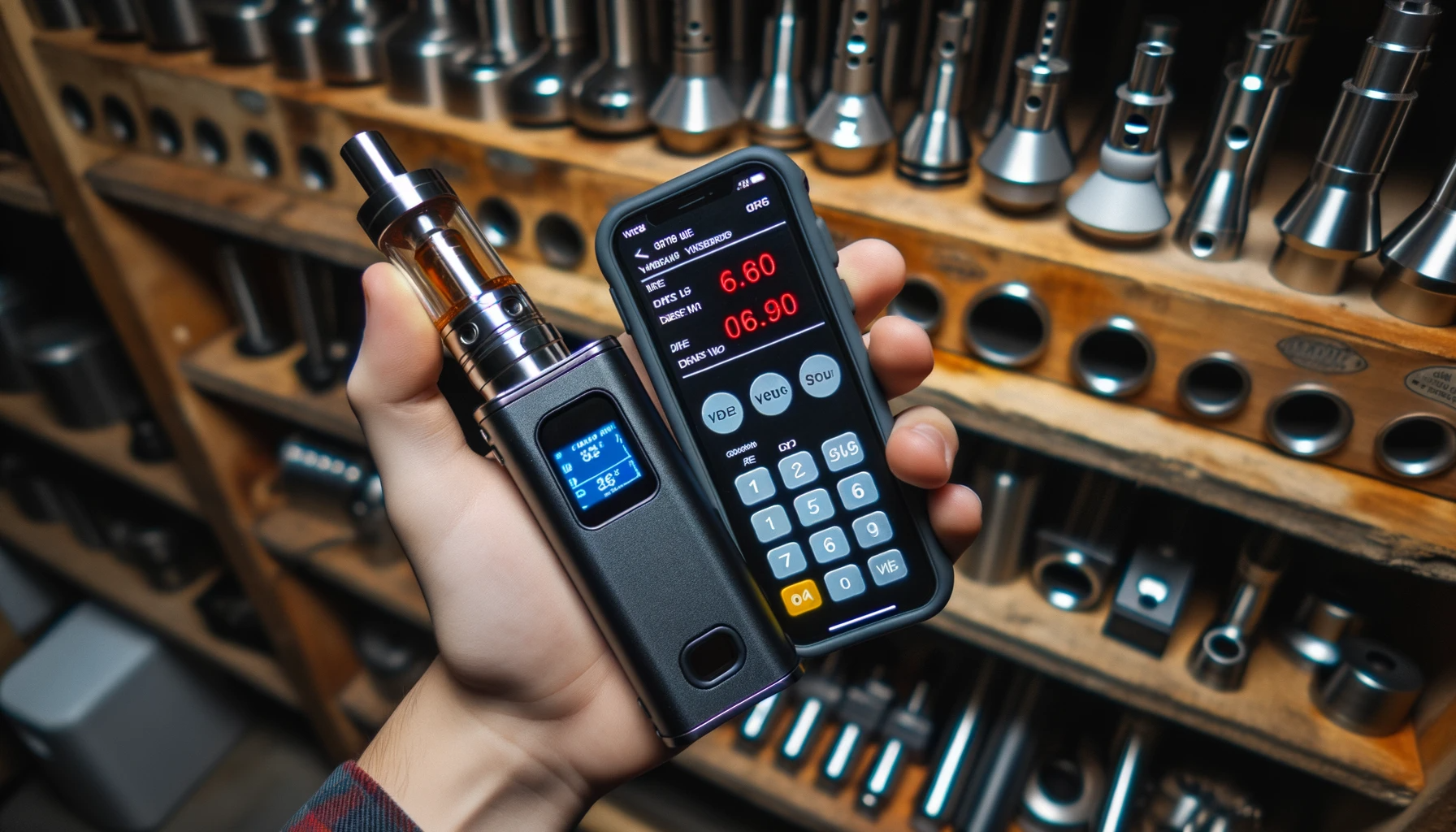
With the rising popularity of vaping, especially among teenagers, many educational institutions, businesses, and public facilities have been seeking ways to detect and deter the use of e-cigarettes indoors. Enter the vape detector: a device designed to sense and alert authorities when someone is vaping in a prohibited area. But how much does one of these innovative gadgets cost? Let’s delve into the factors that influence the price of a vape detector and provide a general pricing guide.
Understanding Vape Detectors
Before we talk about the cost, it’s essential to understand what a vape detector is and how it works. Vape detectors are electronic devices that can detect aerosol from e-cigarettes. These detectors often come equipped with sensors that can identify changes in the air quality, specifically targeting the chemicals and particles commonly found in e-cigarette vapor.
Once the detector senses vaping activity, it can send real-time alerts to administrators or security personnel, usually via a mobile application or central monitoring system. Some advanced models even come with built-in cameras to capture the offender in the act.
Factors Influencing the Cost Of Vape Detectors
Several factors can influence the price of a vape detector:
- Functionality: Basic models might only offer detection capabilities, while advanced ones can include features like real-time alerts, built-in cameras, and integration with security systems.
- Sensitivity: Some detectors are more sensitive than others, capable of detecting even the slightest traces of vape in the air. The more sensitive the device, the higher its price tag.
- Brand: Like any other product, certain brands are known for their quality and reliability. Opting for a well-known brand might mean paying a premium.
- Installation and Maintenance: Some vape detectors require professional installation, especially if they need to be integrated with existing security systems. Maintenance and calibration might also add to the overall cost.
- Quantity: Buying in bulk often results in discounts. Institutions looking to install detectors throughout their premises might find the per-unit cost decreasing with larger orders.
General Pricing Guide
Now, let’s get down to numbers. Based on market research as of 2022:
- Basic Models: These can range from $300 to $500. They typically offer simple detection capabilities and might not include advanced features like real-time alerts or camera integration.
- Mid-range Models: Falling between $500 and $900, these detectors often come with added functionalities like mobile alerts and higher sensitivity levels.
- High-end Models: Priced at $900 and above, these are the cream of the crop. They offer the highest sensitivity, can integrate seamlessly with security systems, and often include built-in cameras.
Is it worth the Investment?
While the initial investment might seem steep, especially for high-end models, the benefits of having a vape detector can outweigh the costs. For educational institutions, it can deter students from vaping, leading to a healthier school environment. For businesses, it ensures compliance with indoor air quality standards and can reduce potential health risks for employees and customers.
Moreover, by preventing vaping in prohibited areas, institutions can avoid potential legal liabilities and maintain their reputation. In the long run, the peace of mind and health benefits offered by these devices can make them a worthy investment.
In Conclusion
The cost of a vape detector varies based on its features, brand, and functionalities. While basic models can be quite affordable, those seeking advanced features should be prepared for a higher investment. Regardless of the price, the benefits of ensuring a vape-free environment make these detectors an invaluable tool for many institutions. As vaping continues to be a popular trend, the demand for such devices will likely rise, making now a good time to consider investing in one.
FAQs
What is a vape detector?
A vape detector is an electronic device designed to identify aerosol from e-cigarettes. It uses sensors to detect changes in air quality, specifically targeting chemicals and particles associated with e-cigarette vapor. When vaping activity is detected, the device can send alerts to relevant personnel or administrators.
How does a vape detector work?
Vape detectors function by monitoring the air for specific chemicals and particulate matter common in e-cigarette vapor. When these elements are detected, the device recognizes that someone is vaping. Advanced models can send real-time alerts via mobile apps or integrate with existing security systems. Some even come equipped with cameras to identify the individual vaping.
Where are vape detectors commonly installed?
Vape detectors are primarily found in places where vaping is prohibited, such as schools, offices, public transportation facilities, and other public areas. They are commonly installed in restrooms, locker rooms, hallways, and other areas where individuals might attempt to vape discreetly.
Why are vape detectors essential for educational institutions?
Given the rising trend of vaping among teenagers, schools and colleges are keen on ensuring a healthy environment for students. Vape detectors deter students from vaping on school premises, leading to a healthier and safer learning environment. It also helps institutions enforce their no-vaping policies more effectively.
Are vape detectors foolproof?
While vape detectors are designed to be highly sensitive and accurate, no device is entirely foolproof. Factors like the device’s sensitivity level, location, and maintenance can influence its effectiveness. However, high-quality detectors from reputable brands tend to offer reliable performance.
How do I choose the right vape detector for my facility?
When selecting a vape detector, consider factors like your budget, the size of the area you want to monitor, and the features you need. For large institutions or areas with high traffic, investing in a high-end model with real-time alerts and camera integration might be beneficial. For smaller spaces or tighter budgets, a basic model might suffice.
Can vape detectors differentiate between vape and smoke from cigarettes?
Most vape detectors are designed specifically to detect e-cigarette aerosols. They focus on the chemical composition unique to vapes. However, many detectors can also identify traditional cigarette smoke, as both contain overlapping chemicals and particles.
How often do vape detectors require maintenance?
The frequency of maintenance depends on the model and brand. However, regular checks, calibrations, and cleaning are recommended to ensure the detector functions optimally. Always refer to the manufacturer’s guidelines for specific maintenance instructions.
Are there any legal implications of using vape detectors with built-in cameras?
If considering a vape detector with a camera, it’s essential to be aware of privacy laws and regulations in your region. In many places, it’s mandatory to inform individuals that they are being monitored via signage or other means. Always consult with legal counsel to ensure compliance.
What’s the return on investment (ROI) for a vape detector?
While the initial cost of a vape detector might seem significant, the ROI can be substantial in the long run. By preventing vaping in prohibited areas, institutions can avoid potential health risks, legal liabilities, and maintain a positive reputation. The peace of mind and health benefits offered by these devices often outweigh the initial investment.